Fengming Lin
Postdoctoral Research Associate | Computational Medicine & Generative AI | School of Computer Science | The University of Manchester

Christabel Pankhurst Institute, Oxford Road, University of Manchester, M13 9PL Manchester
I am Fengming Lin (林枫茗), a Postdoctoral Research Associate at the University of Manchester, working in the field of Multimodal Foundation Models and Generative AI for In-silico Trials.
I received my PhD in Computer Science from the University of Leeds, supervised by Prof. Alejandro F. Frangi, Prof Yan Xia, and Dr Nishant Ravikumar. My doctoral research focused on artificial intelligence for vascular segmentation and modality-generalized aneurysm detection. Prior to that, I obtained my Master’s and Bachelor’s degrees from Shandong University, where I was supervised by Prof. Ju Liu and Prof. Qiang Wu, focusing on deep learning for medical image analysis.
My research interests focus on AI for Healthcare, with applications to:
- Digital twins reconstruction and virtual population generation
- In-silico trials on cerebrovascular and cardiovascular devices
I published a few papers in medical image analysis related journals and conferences Google Scholar.
I serve as a reviewer for some journals (such as Medical Image Analysis, TPAMI, TMI, TNNLS, TAI, and PR) and conferences (such as MICCAI, ISBI, AAAI, and CVPR).
My long-term goal is to advance the development of Fully automated in-silico trials, bridging AI and healthcare innovation.
news
| Jun 15, 2026 | 3 papers accepted by MICCAI. |
|---|---|
| Feb 03, 2026 | 1 paper accepted by IEEE ISBI (oral presentation). |
| Feb 01, 2026 | 1 paper accepted by Medical Image Analysis. |
selected publications
-
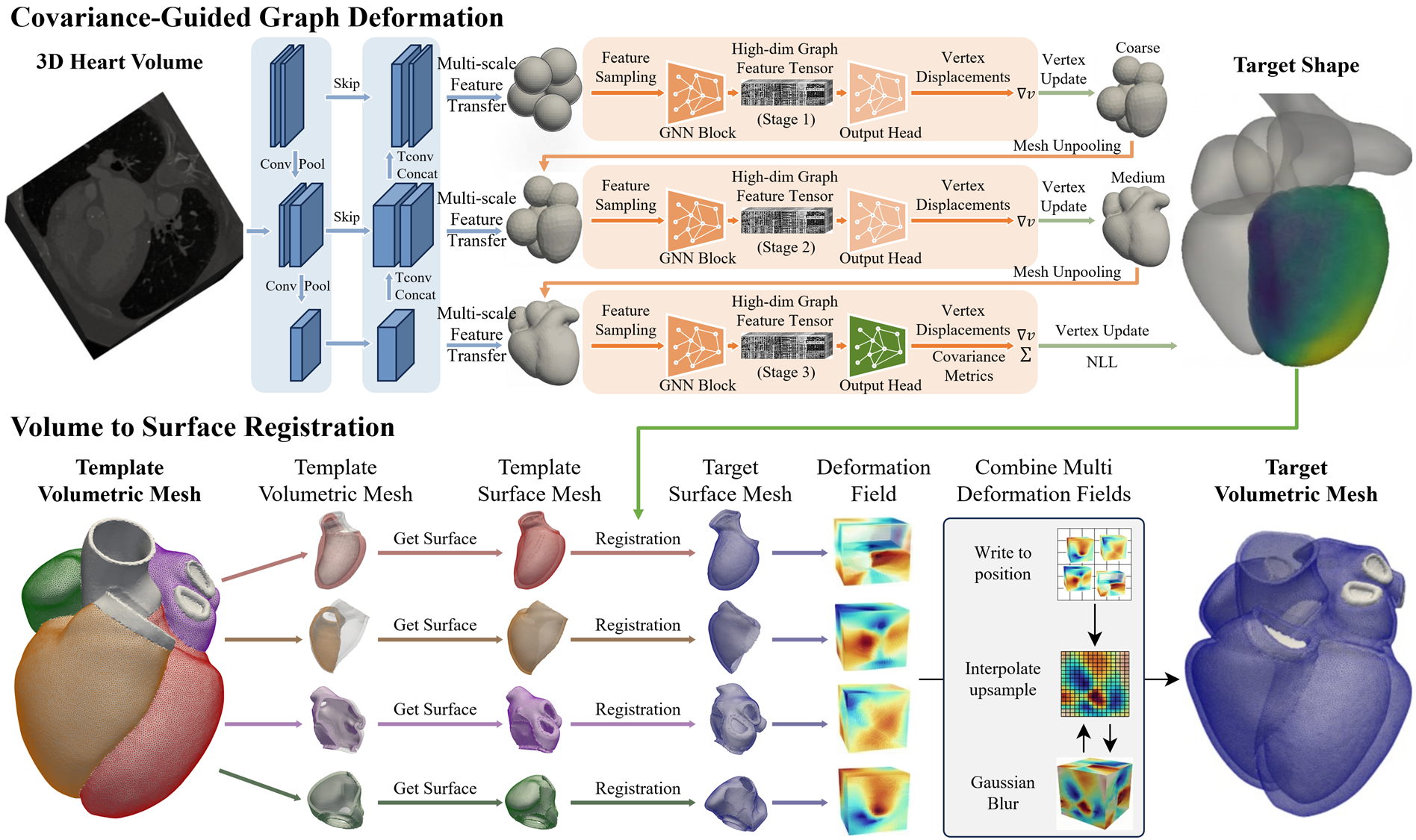 (2026). HeartVolMesh: Cardiac Volumetric Mesh Reconstruction via Covariance-Guided Graph Deformation. Medical Image Computing and Computer Assisted Intervention – MICCAI 2026, 16889:572–582. DOI: 10.1007/978-3-032-38186-6_54.
 -
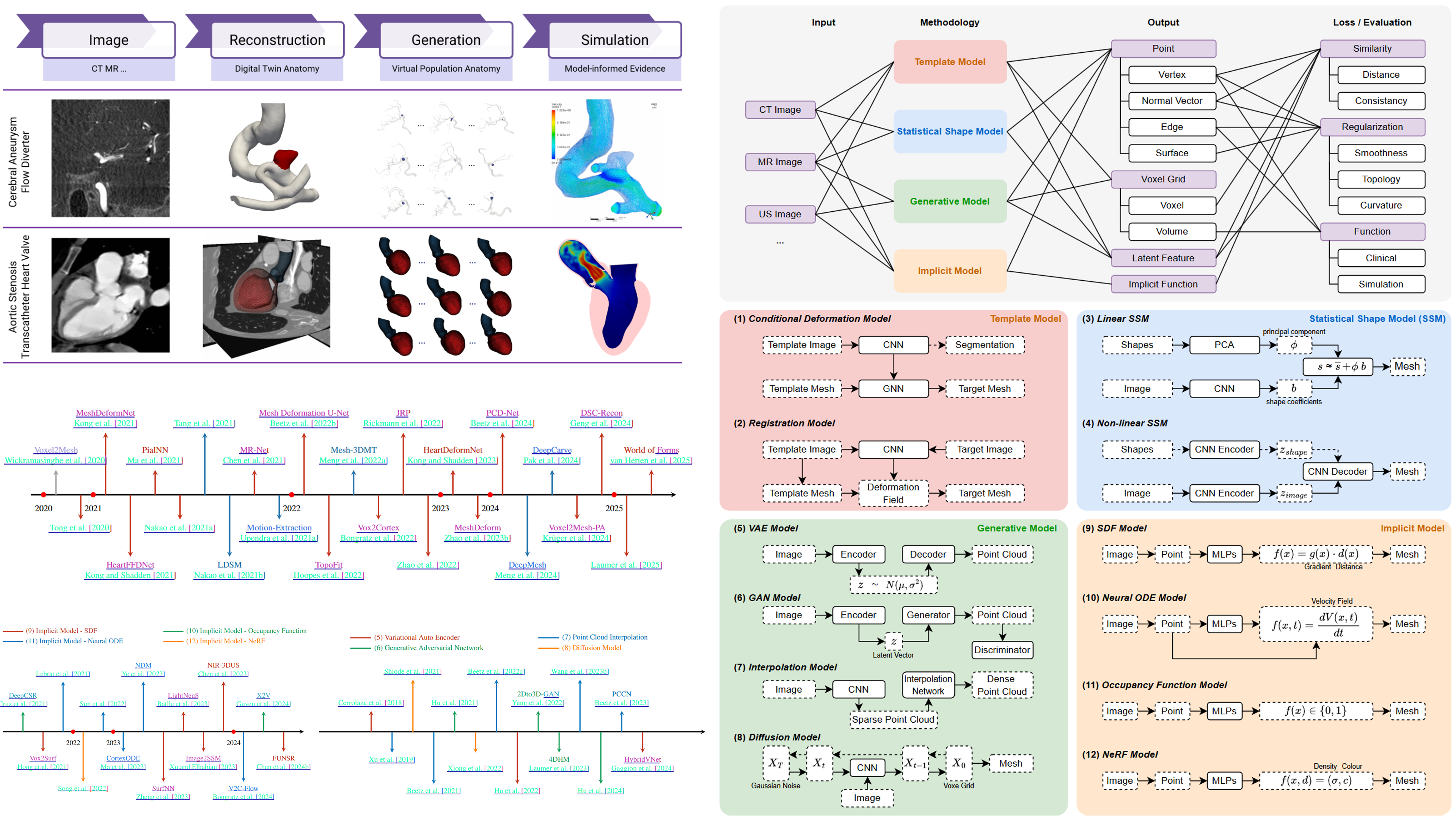 (2026). From Pixels to Polygons: A Survey of Deep Learning Approaches for Medical Image-to-Mesh Reconstruction. Medical Image Analysis (IF 14.0), 113:104153. DOI: https://doi.org/10.1016/j.media.2026.104153. Available at: https://www.sciencedirect.com/science/article/pii/S1361841526002227.
 -
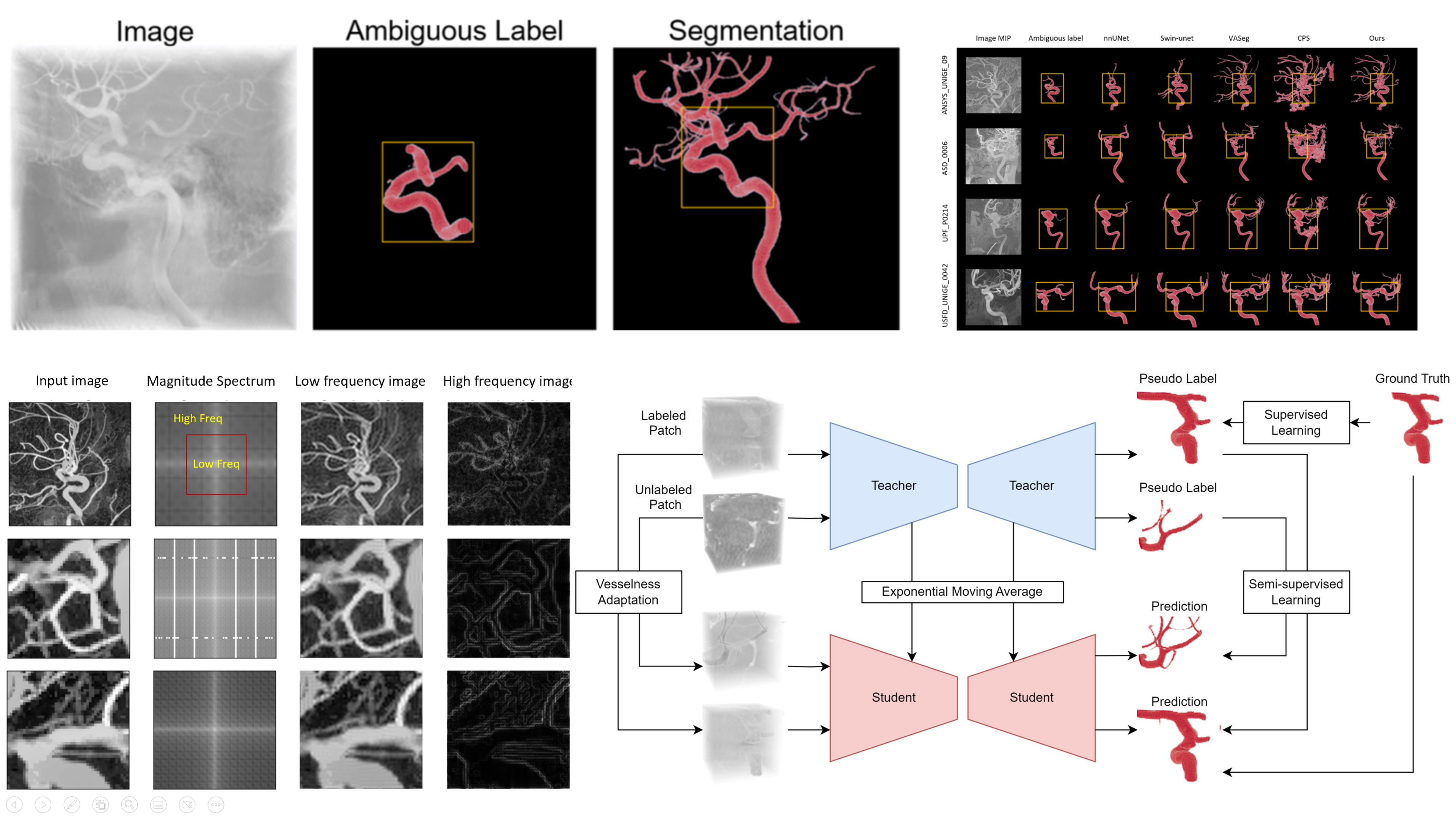 (2023). Adaptive semi-supervised segmentation of brain vessels with ambiguous labels. International Conference on Medical Image Computing and Computer-Assisted Intervention:106–116.
 -
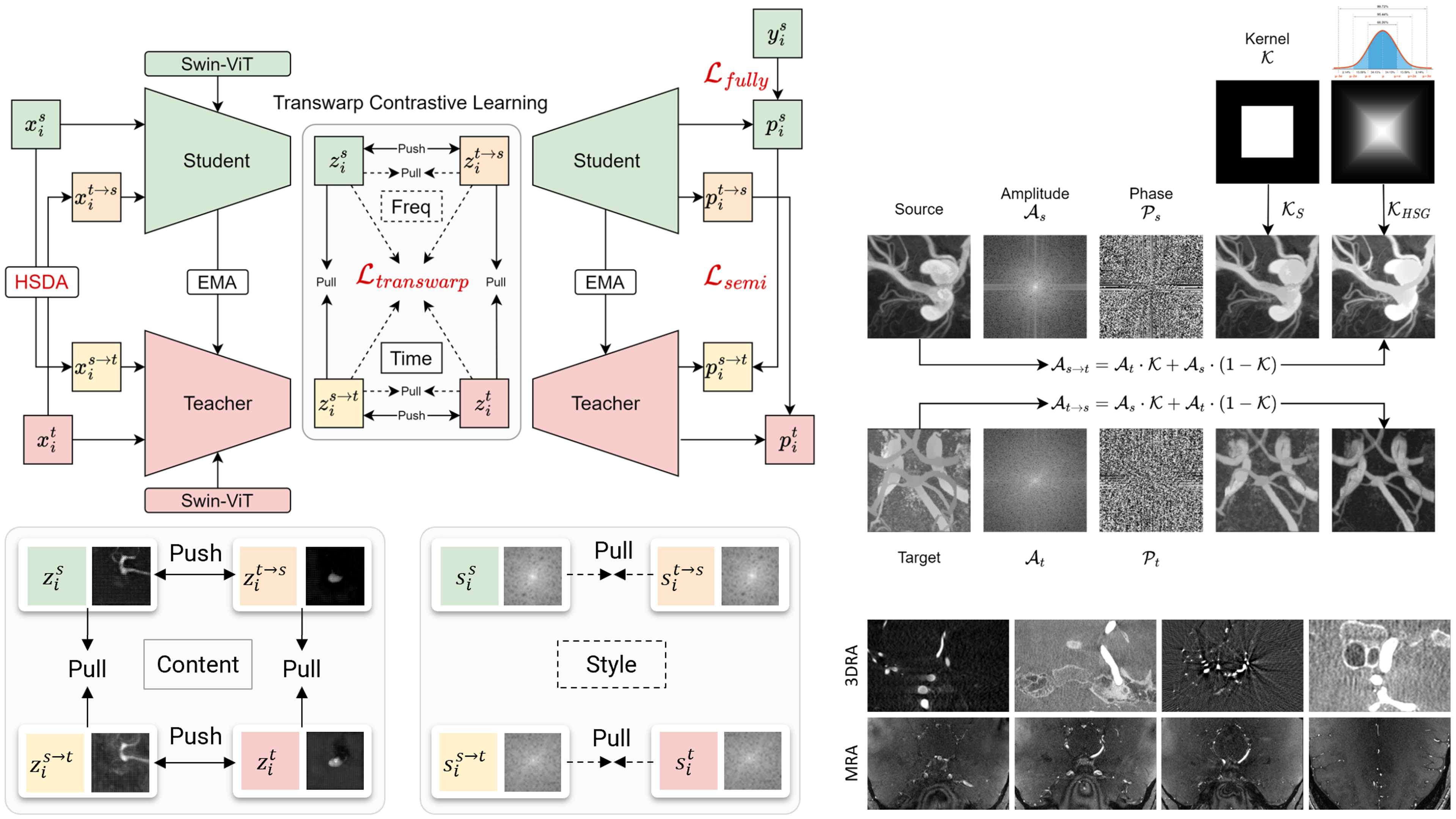 (2024). Unsupervised Domain Adaptation for Brain Vessel Segmentation Through Transwarp Contrastive Learning. 2024 IEEE International Symposium on Biomedical Imaging (ISBI).
 -
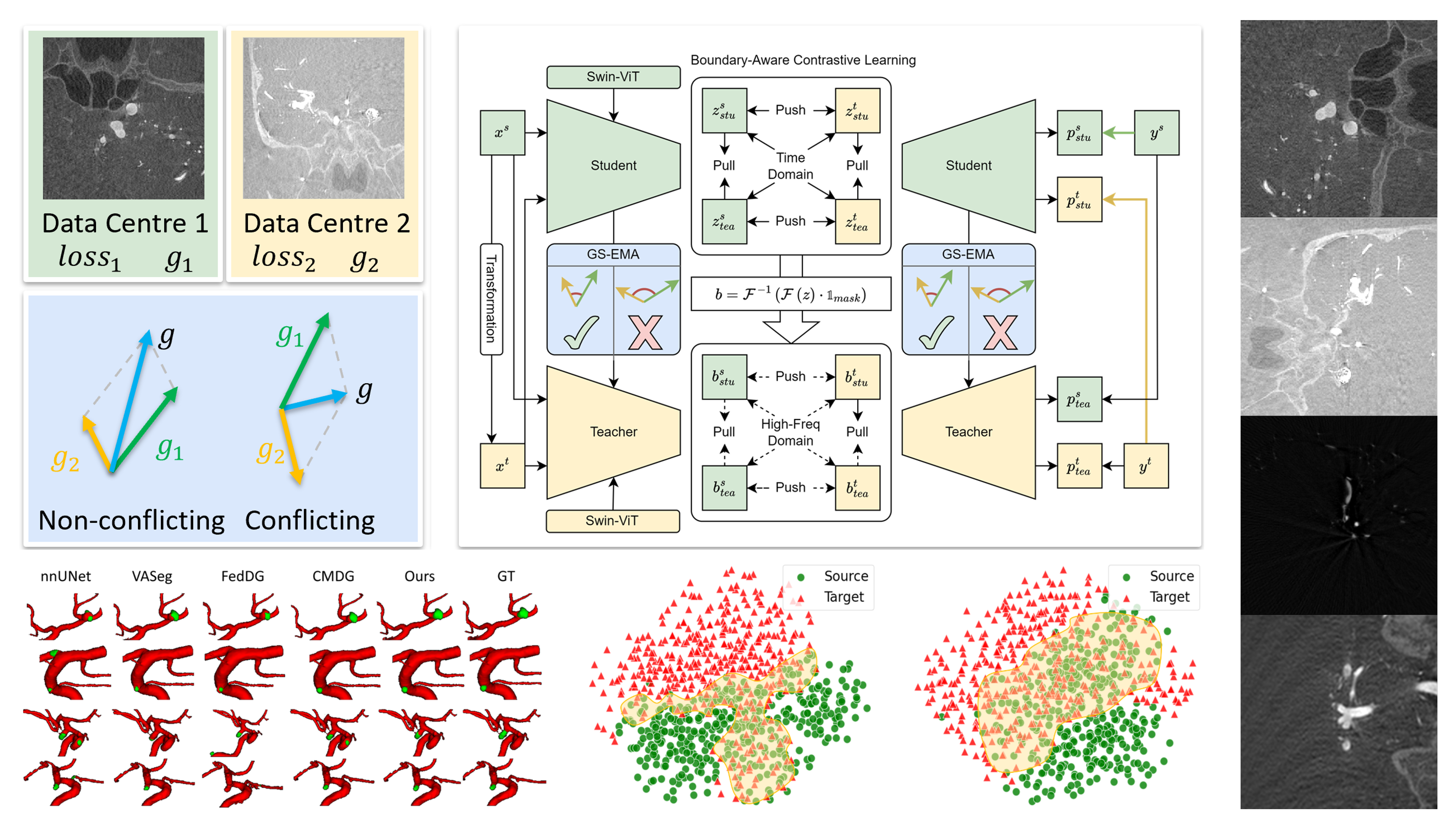 (2024). GS-EMA: Integrating Gradient Surgery Exponential Moving Average with Boundary-Aware Contrastive Learning for Enhanced Domain Generalization in Aneurysm Segmentation. 2024 IEEE International Symposium on Biomedical Imaging (ISBI).
 -
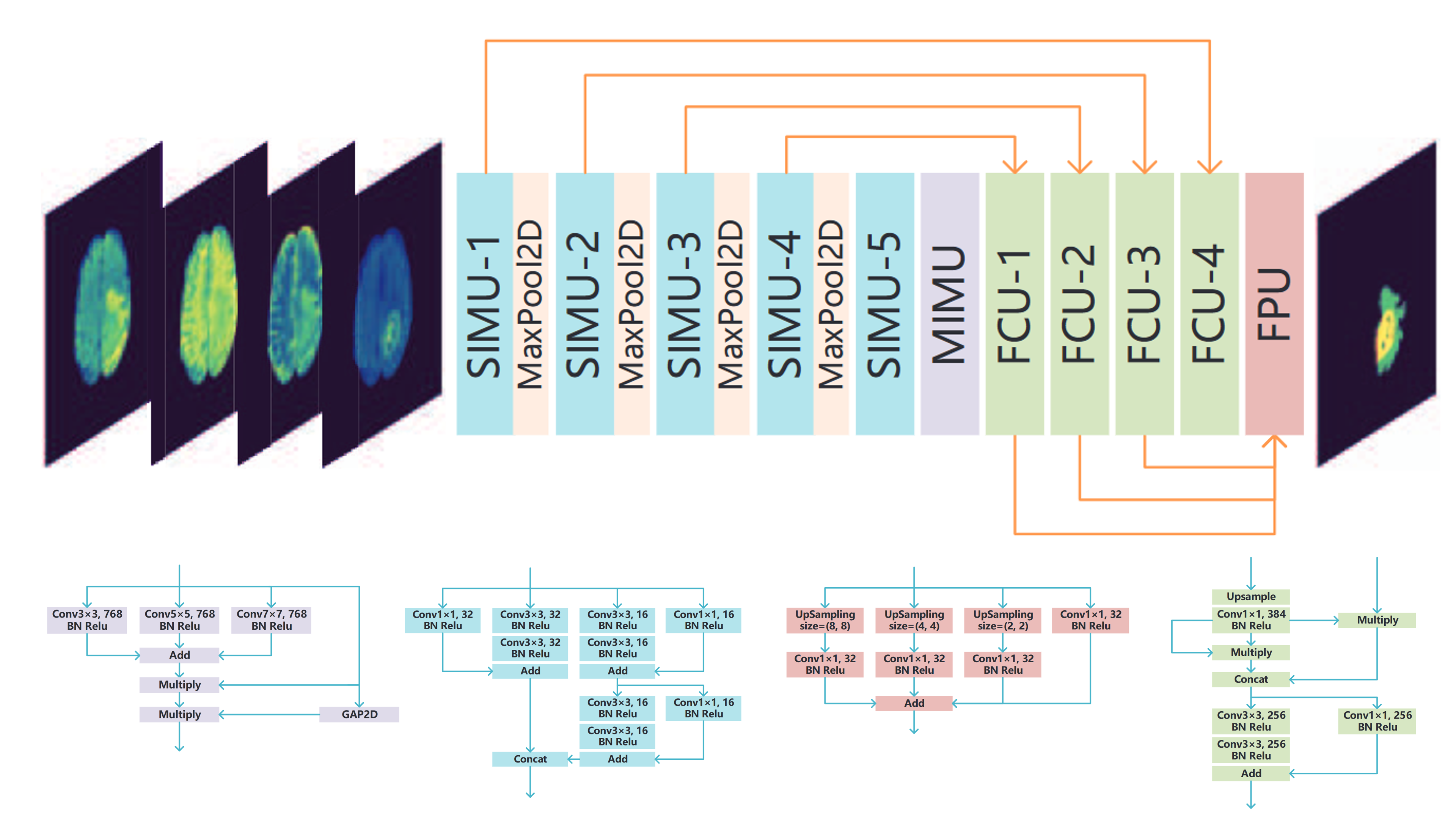 (2019). FMNet: feature mining networks for brain tumor segmentation. 2019 IEEE 31st International Conference on Tools with Artificial Intelligence (ICTAI):555–560.
 -
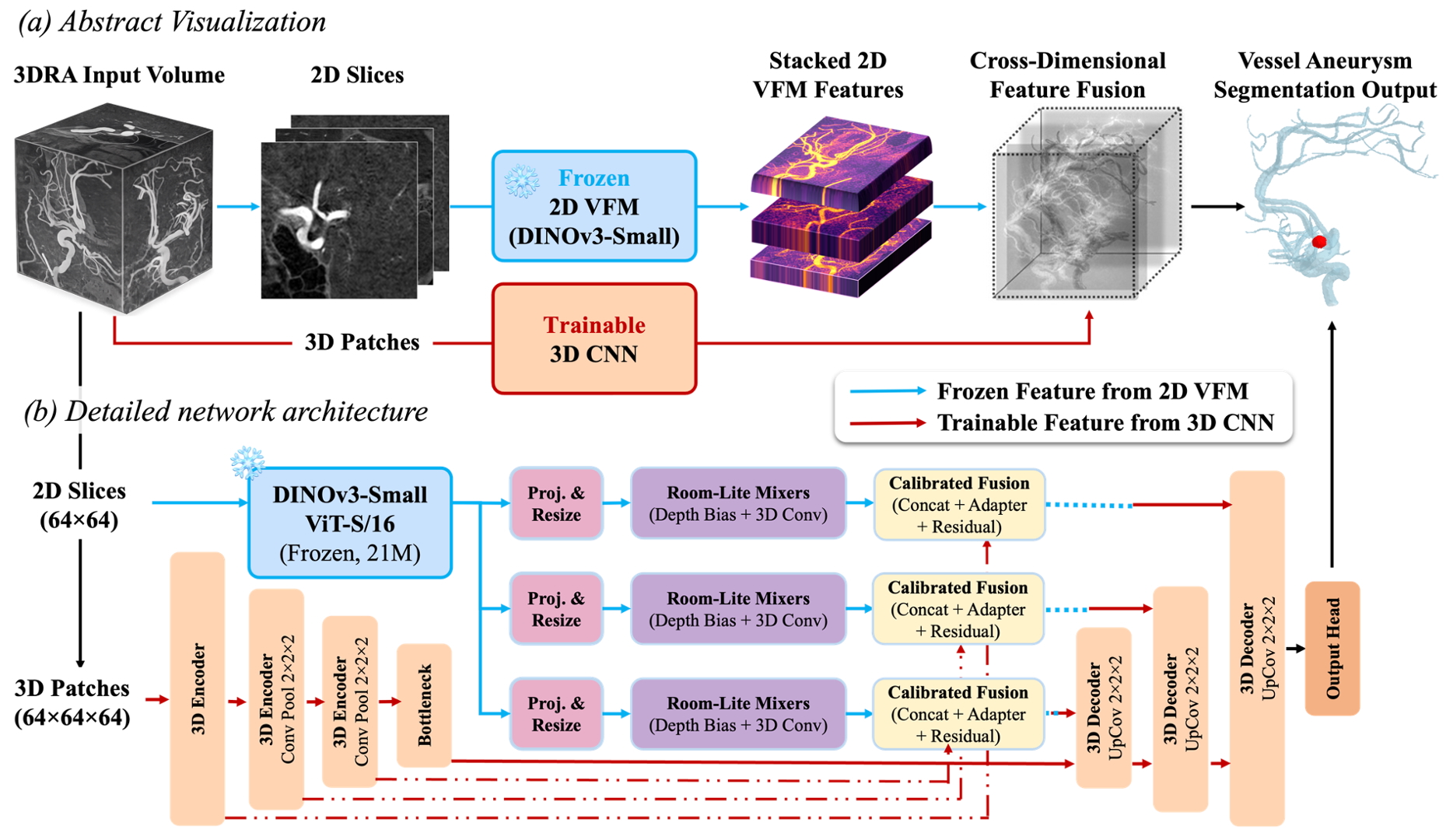 (2026). DINO-3DRA: Leveraging 2D Foundation Model Semantics for 3D Cerebral Aneurysm Segmentation. Medical Image Computing and Computer Assisted Intervention – MICCAI 2026, 16884:134–143. DOI: 10.1007/978-3-032-38085-2_13.Fengming Lin · Joint supervision
 -
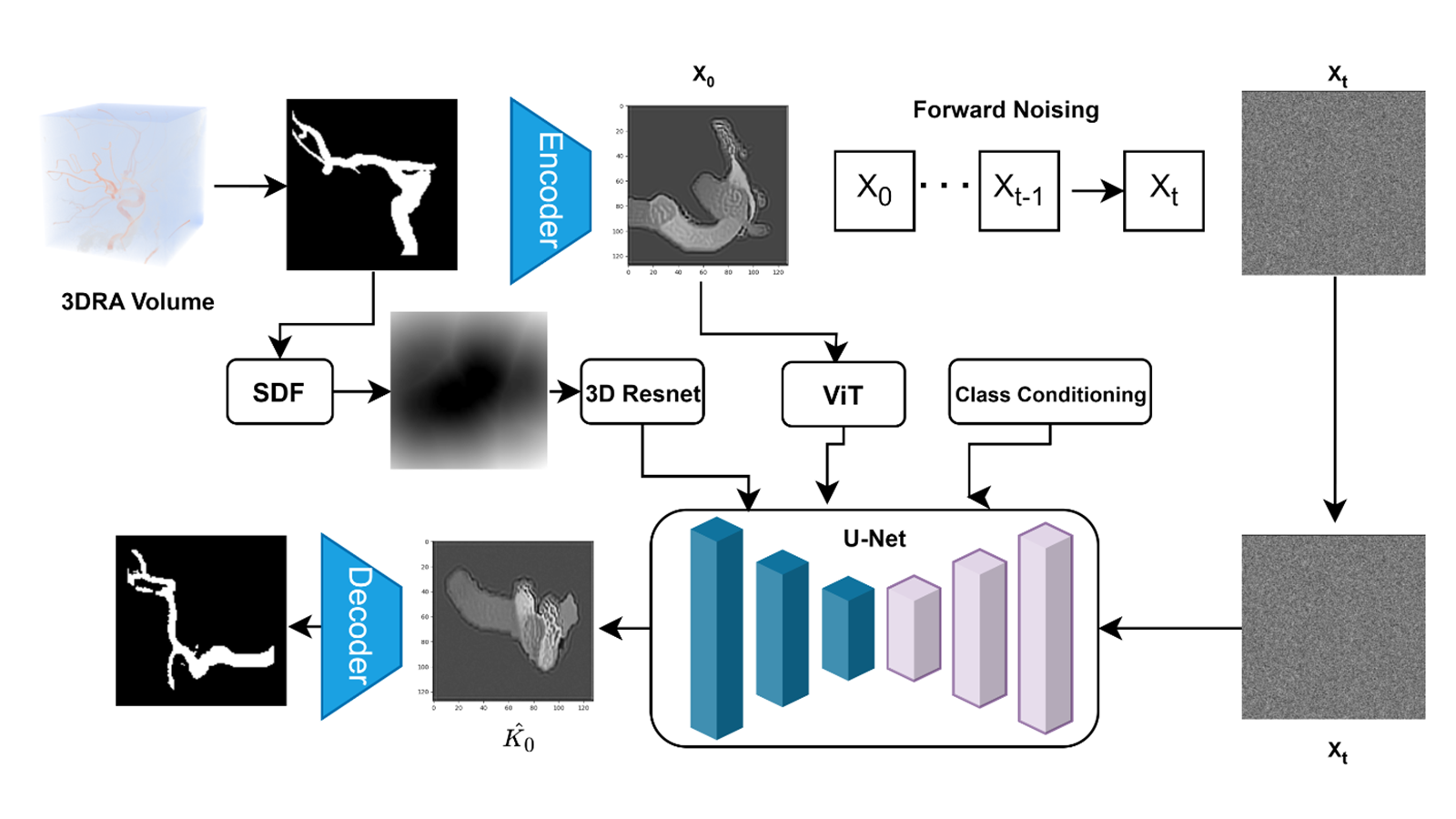 (2024). Few-shot learning in diffusion models for generating cerebral aneurysm geometries. 2024 IEEE International Symposium on Biomedical Imaging (ISBI).
 -
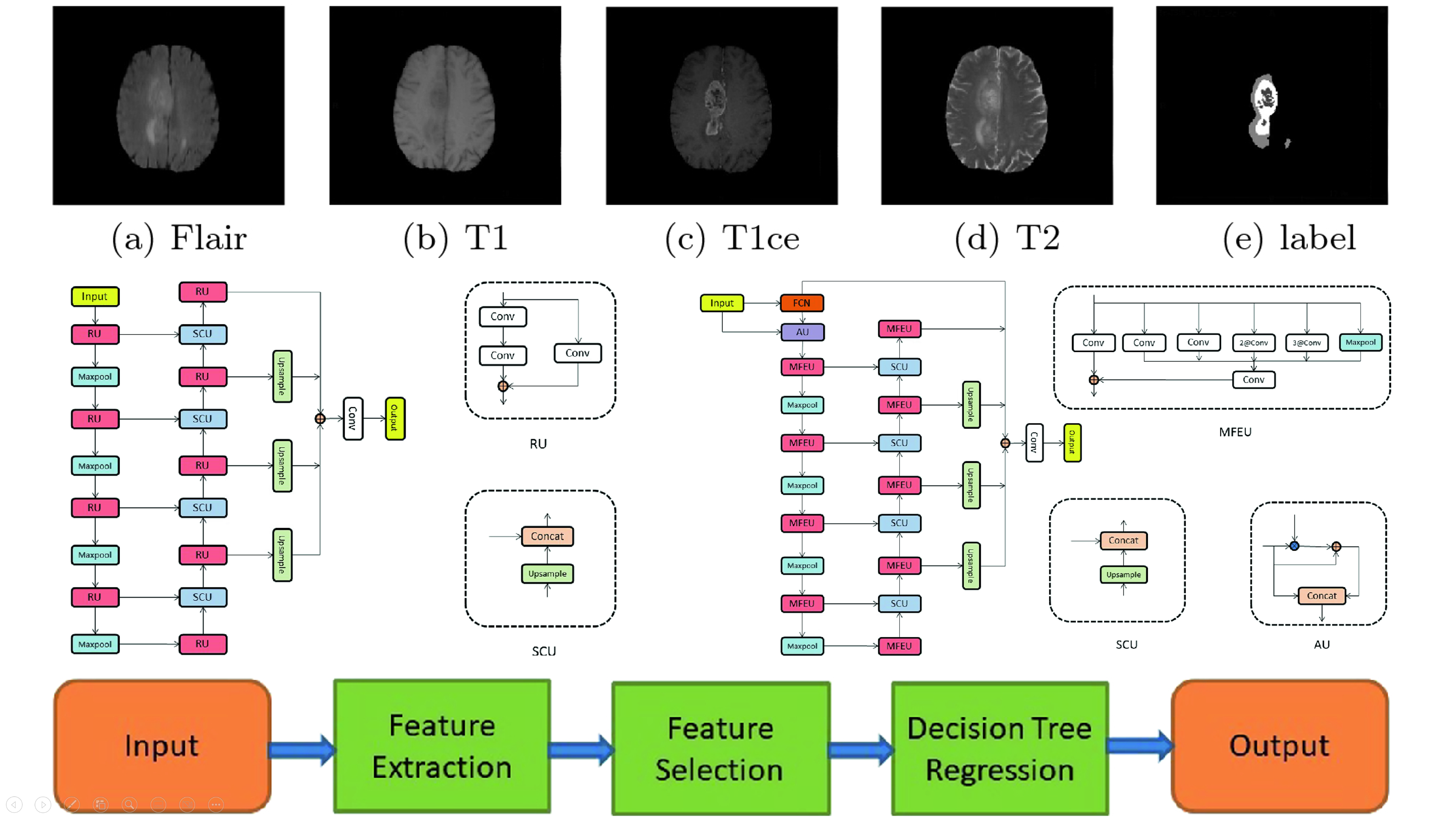 (2019). Brain tumor segmentation using dense channels 2D U-Net and multiple feature extraction network. International MICCAI brainlesion workshop:273–283.
 -
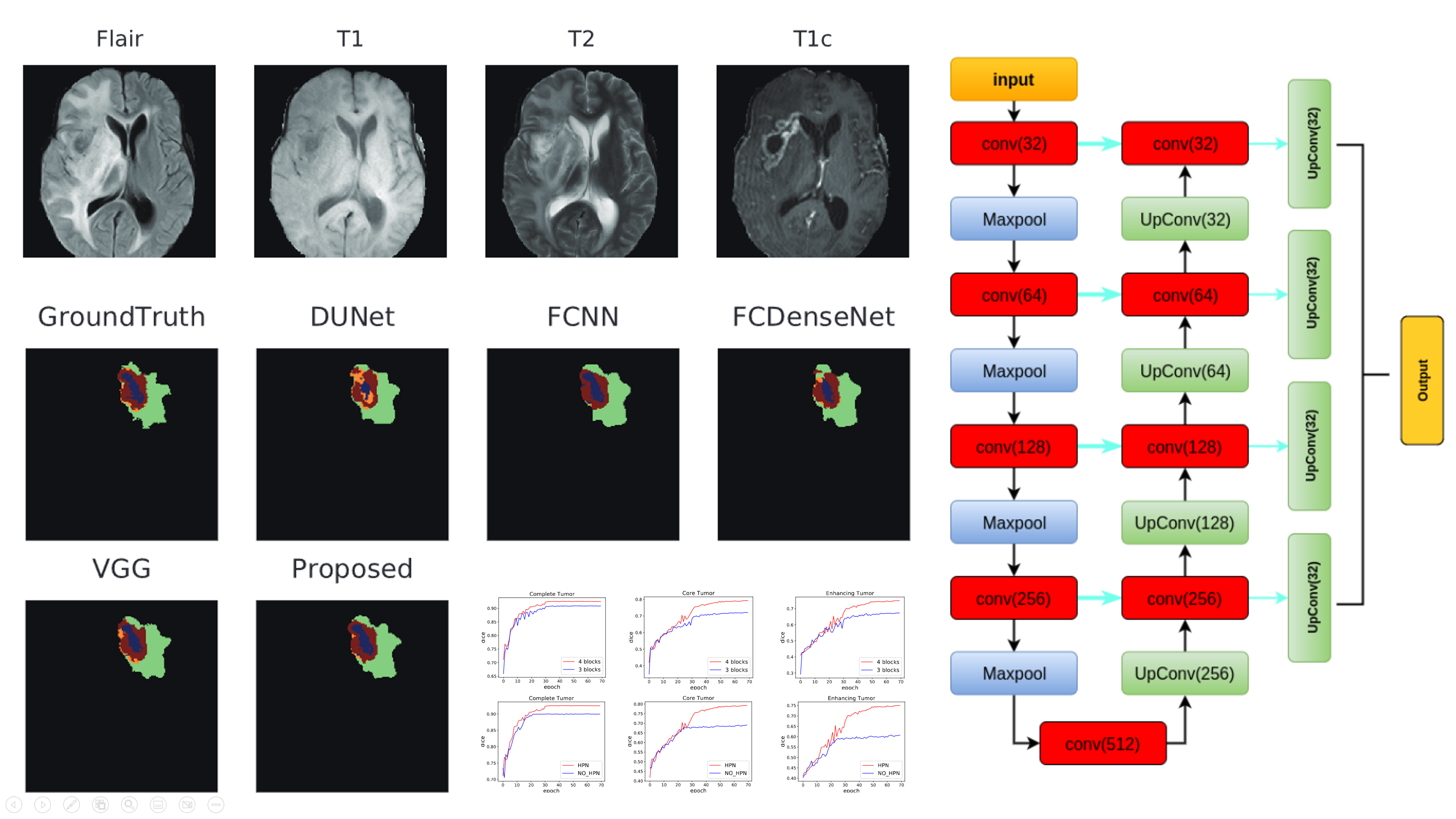 (2018). Hybrid pyramid u-net model for brain tumor segmentation. International conference on intelligent information processing:346–355.
 -
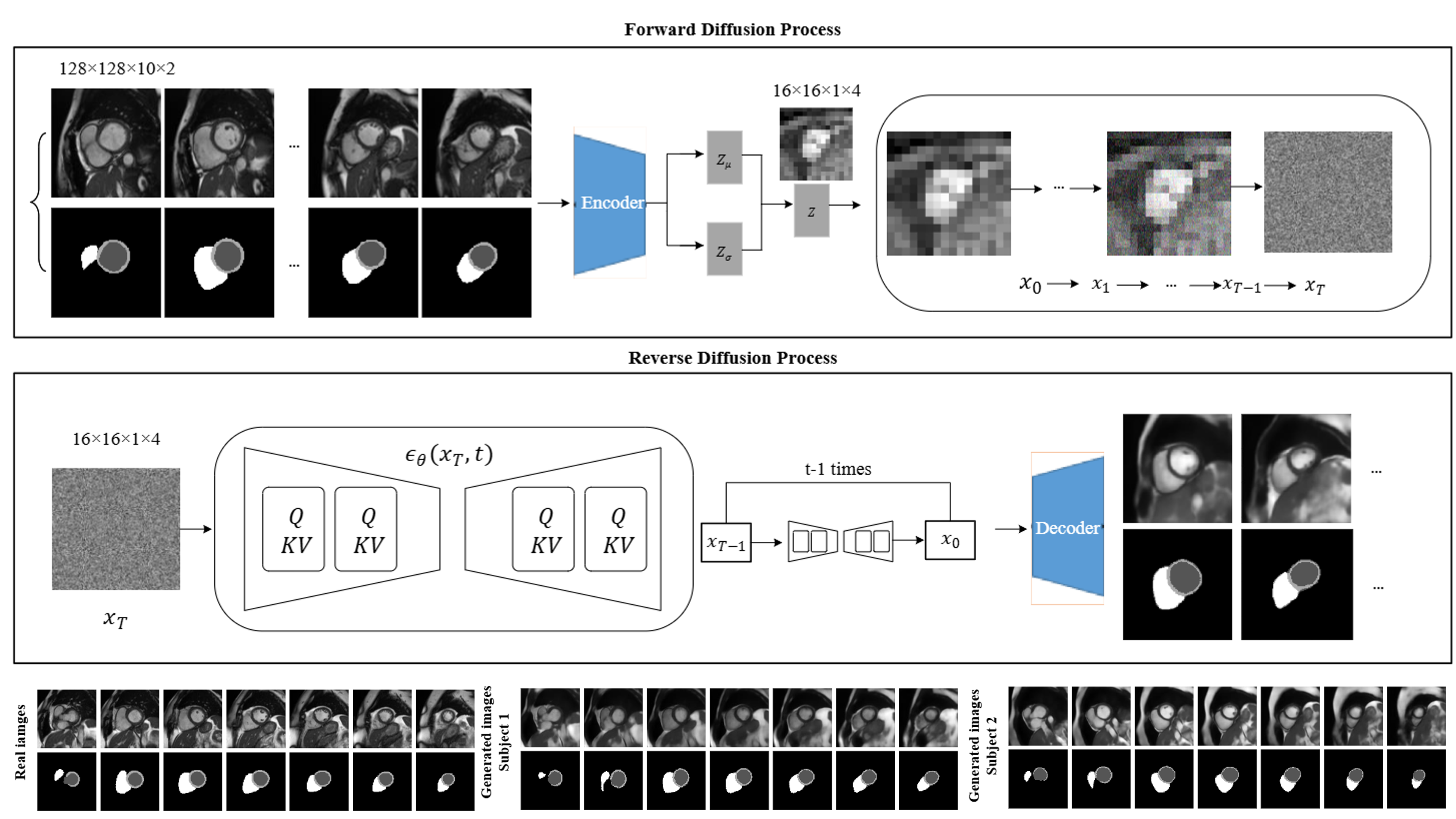 (2024). Synthesising 3D cardiac CINE-MR images and corresponding segmentation masks using a latent diffusion model. 2024 IEEE International Symposium on Biomedical Imaging (ISBI).